
Synonyms for raze are useful for anyone who wants to improve their vocabulary and write with greater precision. While raze means to destroy or demolish something, many alternative words fit different contexts and writing styles. Learning these alternatives helps make your communication more engaging and less repetitive.
Whether you’re writing an essay, article, novel, or business report, choosing the right word can strengthen your message. Different synonyms carry slightly different meanings, making it important to understand when each one is most appropriate.
In this guide, you’ll explore Synonyms for Raze with clear meanings, example sentences, and practical usage tips. These alternatives will help you express ideas more naturally while improving the quality of your writing.
By the end of this article, you’ll feel more confident selecting the best word for any situation. Mastering Synonyms for Raze will expand your vocabulary, enhance your writing skills, and make your content more effective and professional.
What Does “Raze” Really Mean?
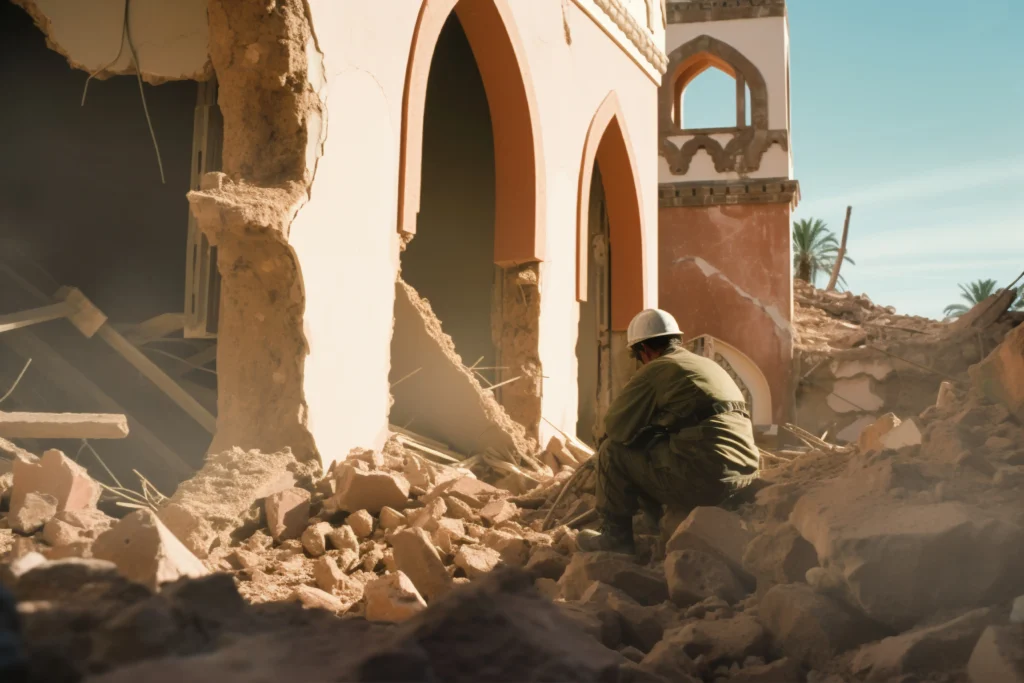
The focus keyword means to destroy a building, town, or other structure down to the ground. It carries a highly decisive, forceful, and objective physical tone, focusing on the complete eradication of a structural entity. Native English speakers understand it as a total clearing action, leaving nothing standing of the original structure.
You will commonly find this word in news reports about city development, history books describing ancient warfare, and construction plans. Grammatically, it functions as a transitive verb, providing a clear, simple description of flattening an object completely.
Connotative Meaning
The word carries a neutral to negative tone depending on whether the flattening makes way for renewal or represents tragic loss. Connotation is the emotional feeling or cultural meaning that a specific word carries alongside its literal dictionary definition.
- Positive tone: Indicates clearing out unsafe, decaying ruins to build safe, beautiful modern spaces for a neighborhood.
- Negative tone: Evoking the complete, violent loss of historical landmarks, homes, or communities during disasters.
- Neutral tone: Factual reporting of demolition work on an old piece of property by a hired construction crew.
Etymology
The word comes from the Old French word “raser,” which meant to scrape or shave, tracing back to Latin roots.
- Old English (450–1100): The word was not present in the language, as early speakers used Germanic words for tearing down.
- Middle English (1100–1500): It entered the language with the meaning of scraping, shaving, or erasing written text smoothly.
- Modern English (1500–Present): It evolved into its current meaning, specifically focusing on completely leveling structures to the ground.
Pronunciation
- US: /reɪz/
- UK: /reɪz/
Syllables
raze
Affixation Pattern
- Root: Raze (Old French origin)
- Prefix: None
- Suffix: None
Complete Synonyms List
Demolish (Verb) — US: /dɪˈmɑːlɪʃ/ | UK: /dɪˈmɒlɪʃ/
Meaning: To completely tear down or break apart a large building or structure in a controlled way.
Examples:
- The city hired a skilled crew to demolish the abandoned hotel downtown.
- They plan to demolish the old sports stadium to build a modern arena.
Level (Verb) — US: /ˈlɛvəl/ | UK: /ˈlɛvl/
Meaning: To flatten a building or structure completely so that it matches the flat ground.
Examples:
- The powerful tornado managed to level several small houses along the country road.
- Construction workers used heavy machinery to level the hillside ruins completely.
Flatten (Verb) — US: /ˈflætən/ | UK: /ˈflætn/
Meaning: To make a structure completely flat or level with the surrounding earth.
Examples:
- The high winds from the tropical storm threatened to flatten the beachfront properties.
- They decided to flatten the old wooden sheds to clear the landscape.
Bulldoze (Verb) — US: /ˈbʊldoʊz/ | UK: /ˈbʊldəʊz/
Meaning: To clear or destroy buildings using a heavy tractor with a broad horizontal blade.
Examples:
- The developers intend to bulldoze the small forest cabins for a new highway.
- Crews arrived early in the morning to bulldoze the unstable concrete walls.
Tear down (Verb) — US: /tɛr daʊn/ | UK: /teə daʊn/
Meaning: To dismantle or destroy a physical structure completely until nothing remains standing.
Examples:
- The university decided to tear down the ancient dormitory after the spring semester.
- Workers had to tear down the unsafe scaffolding before the storm hit.
Pull down (Verb) — US: /pʊl daʊn/ | UK: /pʊl daʊn/
Meaning: To intentionally demolish or destroy a building or standing monument.
Examples:
- The community voted to pull down the old clock tower because it was unsafe.
- They had to pull down the brick chimney after it cracked.
Knock down (Verb) — US: /nɑːk daʊn/ | UK: /nɒk daʊn/
Meaning: To hit or force a structure to fall flat to the ground.
Examples:
- The construction workers will knock down the interior walls to create an open space.
- Strong ocean waves managed to knock down the old wooden pier.
Dismantle (Verb) — US: /dɪsˈmæntl/ | UK: /dɪsˈmæntl/
Meaning: To take a machine or structure apart, carefully, piece by piece.
Examples:
- Engineers will dismantle the old playground equipment to move it to a new park.
- It took hours for the crew to dismantle the massive concert stage.
Destroy (Verb) — US: /dɪˈstrɔɪ/ | UK: /dɪˈstrɔɪ/
Meaning: To damage something so badly that it cannot be repaired or used again.
Examples:
- The fire managed to destroy the historic wooden barn within minutes.
- Uncontrolled water leaks can slowly destroy the foundation of a house.
Ruin (Verb) — US: /ˈruːɪn/ | UK: /ˈruːɪn/
Meaning: To reduce a structure to a state of decay, collapse, or worthlessness.
Examples:
- Neglect will slowly ruin an old house if nobody maintains the roof.
- The sudden earthquake threatened to ruin the ancient stone temples.
Wreck (Verb) — US: /rɛk/ | UK: /rɛk/
Meaning: To cause the destruction or severe damage of a physical structure.
Examples:
- A falling tree branch managed to wreck the roof of the garden shed.
- Heavy construction machinery can easily wreck an old asphalt driveway.
Smash (Verb) — US: /smæʃ/ | UK: /smæʃ/
Meaning: To break something into pieces violently and noisily with great physical force.
Examples:
- The workers used sledgehammers to smash the old concrete patio.
- High waves continue to smash the weak wooden barriers along the coast.
Devastate (Verb) — US: /ˈdɛvəˌsteɪt/ | UK: /ˈdɛvəsteɪt/
Meaning: To bring severe destruction, ruin, and desolation to a large area or town.
Examples:
- The historic wildfire managed to devastate entire mountain villages in its path.
- Flooding can easily devastate the lower levels of city buildings.
Obliterate (Verb) — US: /əˈblɪtəˌreɪt/ | UK: /əˈblɪtəreɪt/
Meaning: To utterly wipe out or destroy a structure, leaving no traces behind.
Examples:
- The controlled explosion managed to obliterate the old concrete tower completely.
- Time and harsh weather can obliterate old stone markings on buildings.
Annihilate (Verb) — US: /əˈnaɪəˌleɪt/ | UK: /əˈnaɪɪleɪt/
Meaning: To destroy a place or structure utterly and completely into nothingness.
Examples:
- The heavy bombardment was enough to annihilate the defensive stone fortress.
- Extreme natural forces can sometimes annihilate entire coastal structures.
Eradicate (Verb) — US: /ɪˈrædɪˌkeɪt/ | UK: /ɪˈrædɪkeɪt/
Meaning: To remove or destroy something utterly down to its absolute roots or foundation.
Examples:
- The city plans to eradicate the old slums to build safe housing complexes.
- Workers worked hard to eradicate the unstable ruins from the construction site.
Extirpate (Verb) — US: /ˈɛkstərˌpeɪt/ | UK: /ˈɛkstɪpeɪt/
Meaning: To root out and destroy an unwanted structure or entity.
Examples:
- The military sought to extirpate all enemy outposts along the mountain border.
- Code enforcers want to extirpate illegal building structures throughout the city district.
Wipe out (Verb) — US: /waɪp daʊn/ | UK: /waɪp daʊn/
Meaning: To eliminate or destroy a structure or location from existence.
Examples:
- The landslide managed to wipe out the small mountain cabin within seconds.
- Heavy machinery was brought in to wipe out the old industrial site.
Lay waste (Verb) — US: /leɪ weɪst/ | UK: /leɪ weɪst/
Meaning: To completely ruin, devastate, and destroy a large area or collection of buildings.
Examples:
- The invading army proceeded to lay waste to the ancient city walls.
- Severe weather systems can lay waste to fragile coastal boardwalks easily.
Vaporize (Verb) — US: /ˈveɪpəˌraɪz/ | UK: /ˈveɪpəraɪz/
Meaning: To destroy something completely as if turning it instantly into vapor or dust.
Examples:
- High-tech industrial lasers can vaporize tiny structural imperfections in metal components.
- The massive explosion seemed to vaporize the small research shed completely.
Gutter (Verb) — US: /ˈgʌtər/ | UK: /ˈgʌtə/
Meaning: To melt, erode, or burn away the structural integrity of an object rapidly.
Examples:
- The intense heat caused the structural plastic columns to buckle and collapse.
- The old candle factory started to smolder as the fire spread inside.
Desolate (Verb) — US: /ˈdɛsəˌleɪt/ | UK: /ˈdɛsəleɪt/
Meaning: To make a place or building empty, ruined, and completely lonely.
Examples:
- The economic crash managed to desolate the once-busy industrial park.
- Abandoning the property will slowly desolate the beautiful historic estate.
Saccage (Verb) — US: /sæˈkɑːʒ/ | UK: /sæˈkɑːʒ/
Meaning: To violently tear through and damage a structural space during a raid.
Examples:
- Rioters managed to sack the front entrance of the office building.
- The ancient raiders would sack every village structure they encountered.
Scrap (Verb) — US: /skræp/ | UK: /skræp/
Meaning: To break up a vehicle or metallic structure to use its parts as waste material.
Examples:
- They decided to scrap the old iron bridge after it was replaced.
- The factory plans to scrap all its outdated machinery this month.
Salvage (Verb) — US: /ˈsælvɪdʒ/ | UK: /ˈsælvɪdʒ/
Meaning: To dismantle a ruined structure specifically to save valuable building materials.
Examples:
- Workers managed to salvage old bricks from the demolished warehouse site.
- We tried to salvage useful timber from the collapsed barn.
Gut (Verb) — US: /gʌt/ | UK: /gʌt/
Meaning: To destroy the interior of a building completely while leaving the outer walls standing.
Examples:
- A sudden electrical fire managed to gut the entire apartment complex.
- The developers intend to gut the old theater for a modern redesign.
Clear (Verb) — US: /klɪr/ | UK: /klɪə/
Meaning: To remove all buildings or obstructions from a specific area of land.
Examples:
- The crew needs to clear the lot before building the new house.
- They will clear the old wooden stands from the fairgrounds tomorrow.
Fell (Verb) — US: /fɛl/ | UK: /fɛl/
Meaning: To cut, knock, or bring down a large standing structure or tree to the ground.
Examples:
- Lumberjacks will fell the old wooden lookout tower for safety reasons.
- Strong winds managed to fell the power poles along the main street.
Quash (Verb) — US: /kwɑːʃ/ | UK: /kwɒʃ/
Meaning: To crush, suppress, or completely put an end to a structural entity or system.
Examples:
- The city moved quickly to quash illegal construction projects near the river.
- Inspectors can quash building permits if safety rules are not followed.
Overturn (Verb) — US: /ˌoʊvərˈtɜːrn/ | UK: /ˌəʊvəˈtɜːn/
Meaning: To flip a physical object or structural component completely upside down.
Examples:
- High floodwaters managed to overturn several small guard huts near the dam.
- The workers had to overturn the massive concrete slab to fix it.

Subvert (Verb) — US: /səbˈvɜːrt/ | UK: /səbˈvɜːt/
Meaning: To undermine or slowly destroy the structural foundation of a system or building.
Examples:
- Underground water channels can slowly subvert the stability of the stone wall.
- Harsh soil conditions will subvert the strength of the foundation over time.
Shatter (Verb) — US: /ˈʃætər/ | UK: /ˈʃætə/
Meaning: To break a solid structure suddenly and violently into many small pieces.
Examples:
- The impact caused the old glass greenhouse structure to shatter completely.
- Sledgehammers will shatter the brittle tiles on the kitchen floor easily.
Corrode (Verb) — US: /kəˈroʊd/ | UK: /kəˈrəʊd/
Meaning: To slowly destroy or damage a metal structure through chemical action or rust.
Examples:
- Saltwater will slowly corrode the iron supports of the ocean pier.
- Acid rain can corrode the beautiful details on ancient stone monuments.
Consume (Verb) — US: /kənˈsuːm/ | UK: /kənˈsjuːm/
Meaning: To destroy or eat away a physical structure by fire or decay.
Examples:
- The roaring flames proceeded to consume the old timber mill overnight.
- Termites can slowly consume the wooden framing of an unsecured garage.
Scorch (Verb) — US: /skɔːrtʃ/ | UK: /skɔːtʃ/
Meaning: To severely damage or ruin a building surface with intense heat or fire.
Examples:
- The nearby campfire managed to scorch the side of the wooden cabin.
- Sparks from the welder can scorch the painted metal panels.
Blast (Verb) — US: /blæst/ | UK: /blɑːst/
Meaning: To blow up or destroy a solid structure using powerful explosives.
Examples:
- Engineers will blast the rocky cave entrance to widen the tunnel road.
- The construction team had to blast the old concrete foundation apart.
Splinter (Verb) — US: /ˈsplɪntər/ | UK: /ˈsplɪntə/
Meaning: To break a wooden structure violently into sharp, thin pieces.
Examples:
- The heavy impact caused the old wooden door to splinter instantly.
- High winds can splinter the wooden fences surrounding the country property.
Burn down (Verb) — US: /bɜːrn daʊn/ | UK: /bɜːn daʊn/
Meaning: To destroy a building or structure using fire.
Examples:
- Faulty wiring caused the historical museum building to burn down completely.
- The abandoned warehouse managed to burn down during the night.
Blow up (Verb) — US: /bloʊ ʌp/ | UK: /bləʊ ʌp/
Meaning: To destroy a building or solid structure completely using an explosive device.
Examples:
- The demolition team plans to blow up the empty office building on Sunday.
- They had to blow up the old bridge to ensure public safety.
Sink (Verb) — US: /sɪŋk/ | UK: /sɪŋk/
Meaning: To cause a physical structure to submerge or collapse downward into the ground.
Examples:
- Weak soil caused the heavy brick garage to slowly sink into the earth.
- Excessive weight will sink the wooden posts deeper into the mud.
Crash (Verb) — US: /kræʃ/ | UK: /kræʃ/
Meaning: To cause a heavy structure to fall violently and noisily to the ground.
Examples:
- The storm caused a massive tree to crash through the porch roof.
- Unstable concrete beams can crash down if they are not reinforced.
Break up (Verb) — US: /breɪk ʌp/ | UK: /breɪk ʌp/
Meaning: To separate a solid structure into smaller individual pieces or sections.
Examples:
- Workers will break up the old asphalt driveway using heavy machinery.
- They had to break up the concrete foundation before removing it.
Melt down (Verb) — US: /mɛlt daʊn/ | UK: /mɛlt daʊn/
Meaning: To destroy a metallic object completely by heating it to a liquid state.
Examples:
- The factory will melt down the old iron gates to recycle the metal.
- They plan to melt down the damaged copper pipes for new projects.
Disassemble (Verb) — US: /ˌdɪsəˈsɛmbəl/ | UK: /ˌdɪsəˈsɛmbl/
Meaning: To take a complex structure or machine apart into its separate component pieces.
Examples:
- Technicians will disassemble the old crane structure before shipping it away.
- We need to disassemble the wooden gazebo step by step this autumn.
Override (Verb) — US: /ˌoʊvərˈraɪd/ | UK: /ˌəʊvəˈraɪd/
Meaning: To physically trample down, crush, or flatten a structural obstacle or barrier.
Examples:
- The heavy tank managed to override the concrete defensive barriers easily.
- Construction vehicles can override small wooden fences on the job site.
Synonyms by Tone
Neutral Synonyms
These terms state the physical act of removing, taking apart, or flattening a structure without adding emotional drama. They are perfect for construction blueprints, architectural guides, or factual city planning reports.
- Demolish
- Dismantle
- Clear
- Disassemble
- Break up
- Scrap
Positive Synonyms
These words imply a helpful clearing process that prepares a site for better things, recycling, or community safety. Use them when the flattening action leads to renewal, progress, or protection.
- Salvage
- Clear
- Reclaim
Negative Synonyms
These verbs carry an intense feeling of violent loss, tragic damage, or complete ruin. They work best when describing natural disasters, accidents, or acts of war that devastate communities.
- Devastate
- Destroy
- Obliterate
- Annihilate
- Ruin
- Lay waste
Selecting the right word for your context alters the entire narrative feel of your sentence. Describing a site clearance as demolishing implies a professional city plan, while calling it devastating makes it sound like an unmitigated tragedy.
Mini Comparison
Raze vs. Demolish vs. Dismantle
- Meaning Difference: Raze means to flatten a structure completely down to the flat ground level. Demolition focuses on breaking a building apart into rubble using heavy force or explosives. Dismantle implies taking something apart piece by piece in a careful, organized manner.
- Tone Difference: Raze and demolish carry a powerful, high-force neutral to negative physical tone. Dismantle is an entirely neutral, methodical, and careful engineering term that does not imply violent destruction.
- When to Use Each: Use raze when a building is flattened entirely down to bare earth. Use demolish when dealing with heavy commercial structures being smashed into rubble. Use Dismantle when saving components for future reconstruction or recycling.
Context-Based Usage
Daily Conversation
In everyday casual talk, people rarely use formal verbs like raze or obliterate. Instead, native speakers rely on short phrasal verbs like tear down, knock down, or blow up to describe flattening structures. For example, a neighbor might mention that the town is going to tear down the old corner shop.
Writing or Blogging
Bloggers and web content writers use words like bulldoze, gut, or clear to paint vivid pictures for their audiences. It keeps the article dynamic and easy to read without repeating standard vocabulary terms too many times. Engaging action words keep the reader moving through the digital text smoothly.
Professional or Academic Tone
Architects, civil engineers, and historians use specialized terms like demolish, dismantle, eradicate, or extirpate. Precision is essential in these professional fields to explain legal land clearing and historical events accurately. These formal terms demonstrate expertise and analytical authority.
Creative Writing
Fiction writers use highly evocative destruction verbs like obliterate, shatter, devastate, or lay waste. These options inject profound emotional stakes, tension, and vivid sensory details into a scene. For example, a castle being laid waste sounds far more dramatic than a building being cleared.
Common Mistakes & Native Usage
Common Mistakes Learners Make
Many English learners confuse raze with its homophone raise, which means to lift something upward or grow a family. Another common error is using dismantle when describing a building that was violently blown to pieces by dynamite. Learners also mistake gutting for complete demolition, forgetting that gutting leaves the outer walls standing.
Register Notes
- Formal vs. Informal: Raze, obliterate, and extirpate belong strictly to formal, literary, and written English. Tear down, knock down, and smash fit perfectly into informal, daily spoken English.
- Spoken vs. Written: Keep high-intensity vocabulary terms for historic essays, news stories, and dramatic novels. Stick to simple, conversational phrasal action verbs when chatting with friends or writing social media posts.
Real-Life Mini Scenarios
Workplace
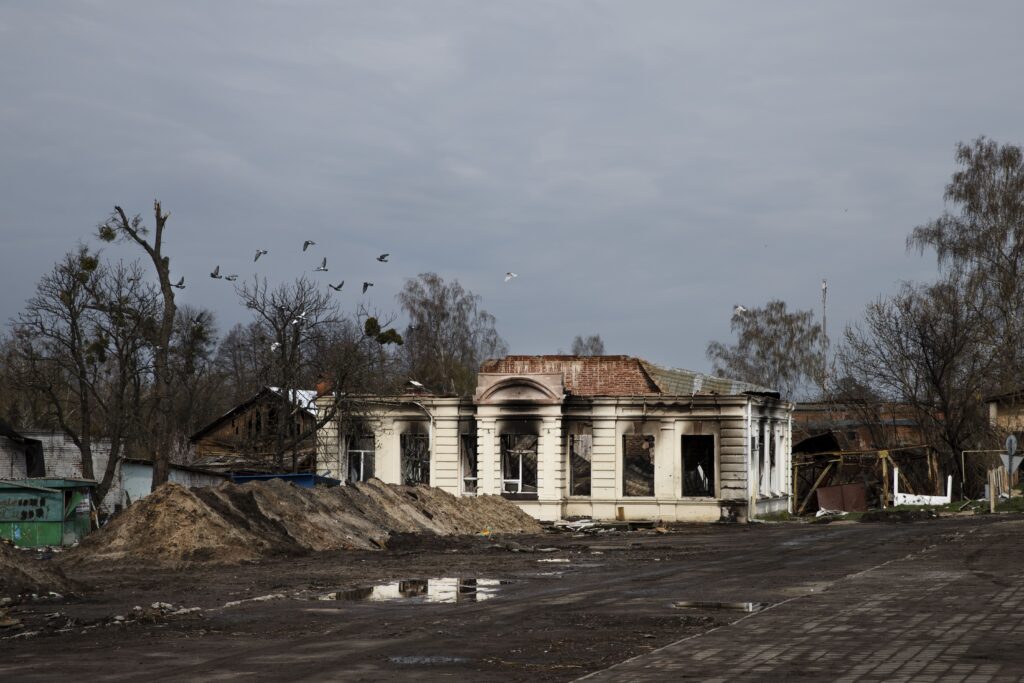
A commercial real estate developer explains to investors that they must raze the current unsafe brick warehouse. They need the land leveled completely before they can begin pouring concrete for a new office skyscraper.
Social Situations
You are walking past a construction site with a friend and notice a massive crane cracking a concrete roof. You mention how fascinating it is to watch the crew knock down the old apartment walls so quickly.
Media & Pop Culture
An evening news anchor broadcasts a live report about an intense hurricane that managed to level several coastal towns. The visual footage shows emergency crews working around the clock to clear ruined timber from roads.
Practice Exercises
Multiple-Choice Questions
- Which synonym means “to destroy a building”?
- A. Build
- B. Demolish
- C. Repair
- D. Decorate
- Which word is the closest synonym for raze?
- A. Construct
- B. Erect
- C. Level
- D. Paint
- Which synonym suggests reducing something to ruins or ashes?
- A. Preserve
- B. Flatten
- C. Burn down
- D. Restore
- Which word means to knock down a structure completely?
- A. Demolish
- B. Design
- C. Improve
- D. Protect
- Which is NOT a synonym for raze?
- A. Destroy
- B. Tear down
- C. Construct
- D. Flatten
- After the earthquake, many unsafe buildings had to be ________.
- A. Demolished
- B. Painted
- C. Decorated
- D. Expanded
- Which synonym is commonly used for removing a building from the ground?
- A. Level
- B. Preserve
- C. Furnish
- D. Polish
- The old warehouse was ________ to make room for a new shopping center.
- A. Repaired
- B. Razed
- C. Decorated
- D. Protected
- Which word means to make something completely flat by destroying it?
- A. Flatten
- B. Beautify
- C. Renovate
- D. Assemble
- Which word is the opposite of raze?
- A. Destroy
- B. Demolish
- C. Build
- D. Flatten
Application Task
Write down two short, original sentences describing an old building undergoing structural changes in your city. Use a different professional synonym from this guide in each sentence to test your vocabulary precision.
Answer Key
1-B | 2-C | 3-C | 4-A | 5-C | 6-A | 7-A | 8-B | 9-A | 10-C
Conclusion
Expanding your vocabulary of structural destruction allows you to describe physical transformations and historical events with incredible clarity. When you learn how to deploy these expressive action verbs correctly, your descriptions instantly become more engaging and informative. Shifting away from basic repetitive phrasing helps your content stand out and connect deeply with readers.
Learning synonyms for raze is a valuable way to expand your English vocabulary and improve the quality of your writing. Whether you’re writing essays, articles, stories, or professional documents, choosing the right alternative helps you express the idea of destruction more accurately. A varied vocabulary also makes your content more engaging, natural, and easier for readers to understand.
By practicing and using synonyms for raze in different contexts, you’ll become more confident in selecting the most appropriate word for every situation. Keep reviewing examples, exercises, and real-life usage to strengthen your language skills over time. The more familiar you become with synonyms for raze, the more effective and polished your writing will be.
